What to Do After a Car Accident in Melbourne: A Step-by-Step Guide
A practical guide for Melbourne drivers covering the immediate steps after a motor vehicle accident, from safety checks to information exchange.
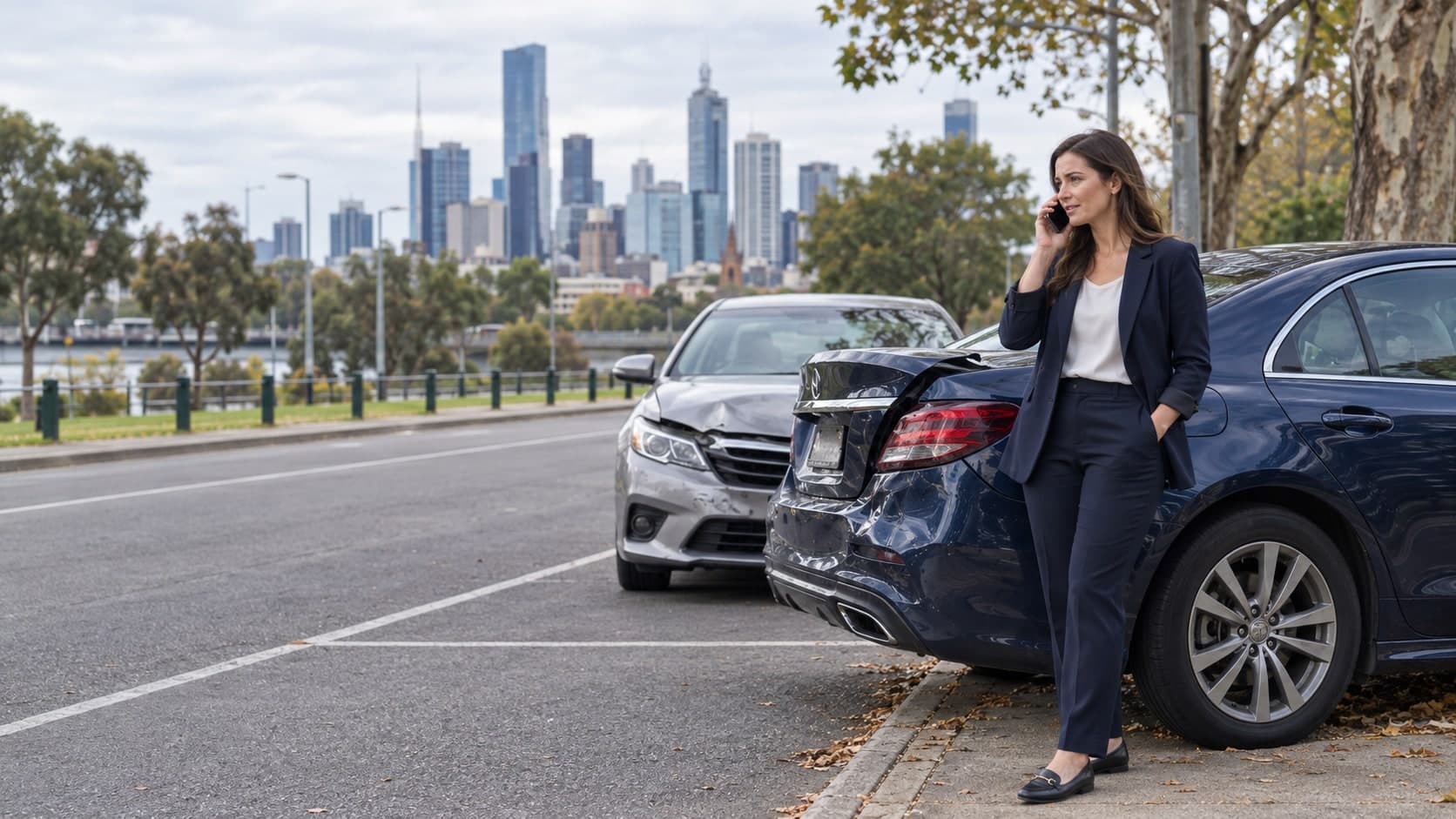
Immediate Steps After an Accident
Being involved in a car accident can be stressful and disorienting. Here's what you should do in the moments after a collision in Melbourne.
1. Check for Safety First
Your immediate priority is safety:
- If possible, move your vehicle off the road to avoid further collisions
- Turn on your hazard lights
- Check yourself and passengers for injuries
- If anyone is injured, call 000 immediately
2. Exchange Information
By law, you must exchange certain details with the other driver:
- Name and address
- Vehicle registration number
- Driver's licence number (if asked)
- Insurance details (if asked)
It's also helpful to collect:
- Phone number
- Make, model, and colour of their vehicle
- Photos of the damage to both vehicles
- Photos of the accident scene, including street signs and any debris
3. Gather Evidence
While at the scene:
- Take photos from multiple angles
- Note the time, date, and weather conditions
- Look for witnesses and get their contact details if possible
- Check for CCTV cameras nearby (shops, buildings, traffic lights)
4. Report to Police (If Required)
In Victoria, you must report the accident to police if:
- Someone is injured or killed
- A vehicle needs to be towed
- The other driver fails to stop or exchange details
- You suspect the other driver is under the influence
- There is property damage to anything other than the vehicles (e.g., a fence)
For other accidents, you can report online via the Victoria Police website.
5. Don't Admit Fault
Even if you think you may have contributed to the accident:
- Don't apologise or admit fault at the scene
- Stick to the facts when exchanging information
- Let insurance companies and assessors determine liability
6. Seek Medical Attention
Some injuries dont appear immediately. Consider:
- Visiting your GP or an emergency department if you have any symptoms
- Keeping records of all medical visits and treatments
- These records may be important if there are injury claims later
7. Notify Your Insurer
Contact your insurance company as soon as possible to:
- Report the accident
- Understand your coverage
- Start the claims process if needed
Even if you weren't at fault, notifying your insurer protects your interests.
8. Consider Your Options
If you weren't at fault, you may be able to:
- Claim against the at-fault driver's insurance
- Access replacement vehicle arrangements
- Have your vehicle repaired without affecting your no-claim bonus
This is where services like OneCallClaims can help manage the process for you.
What If the Other Driver Leaves the Scene?
If the other driver leaves without exchanging details:
Without the other driver's details, recovery options may be limited, but police may be able to help identify the driver.
Important Reminders
- Stay calm – accidents are stressful, but keeping a clear head helps
- Document everything – photos and notes are valuable
- Know your rights – you dont have to accept blame at the scene
- Get help if needed – claim management services can handle the admin
If you've been in an accident and believe you weren't at fault, check your eligibility to see how we can help.
Been in an accident that wasn\'t your fault?
Check your eligibility for our claim management service.
More Resources
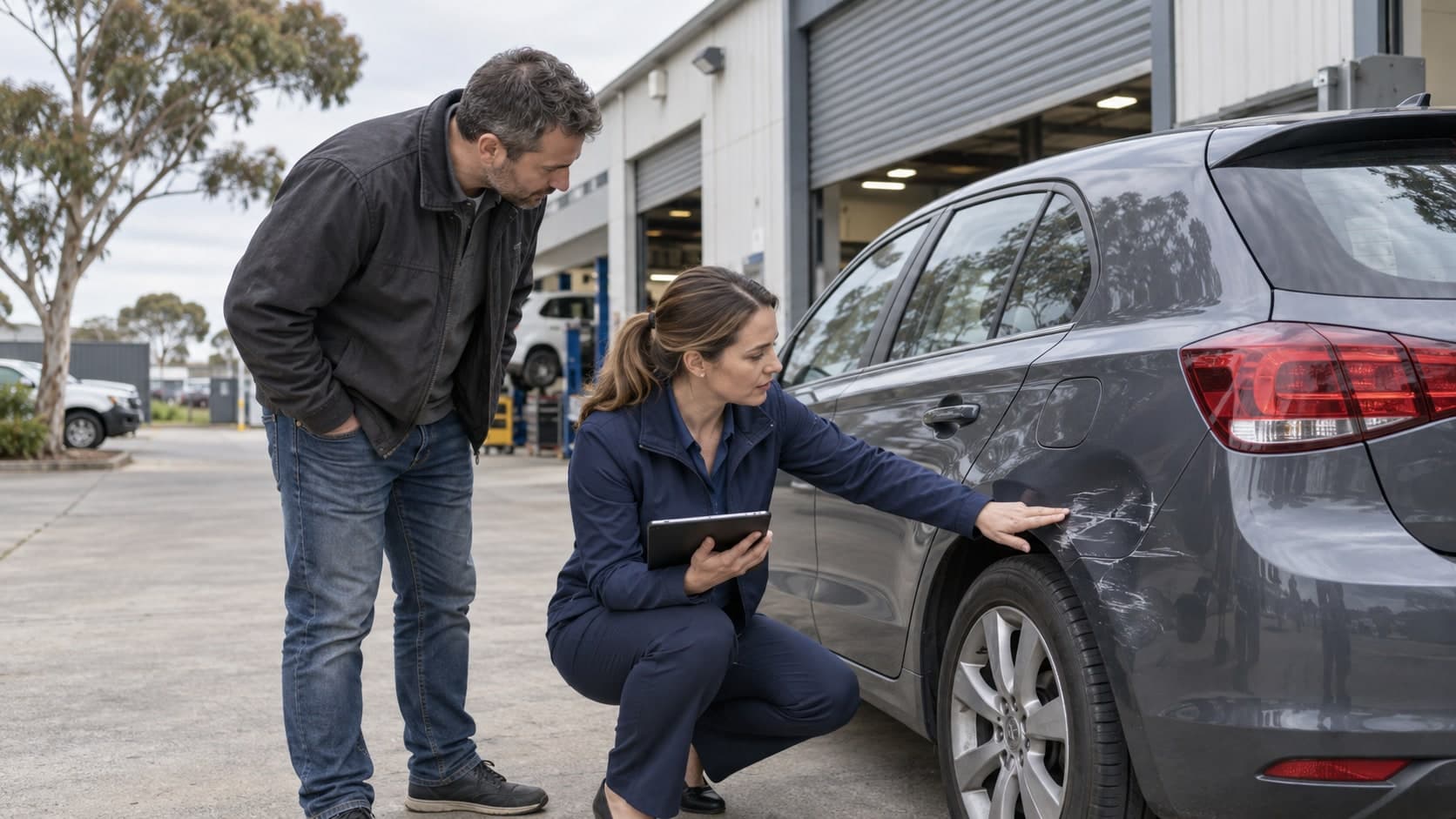
Understanding Not-At-Fault Claims in Victoria
Learn how not-at-fault motor vehicle claims work in Victoria, what costs you may be able to recover, and how the process typically unfolds.
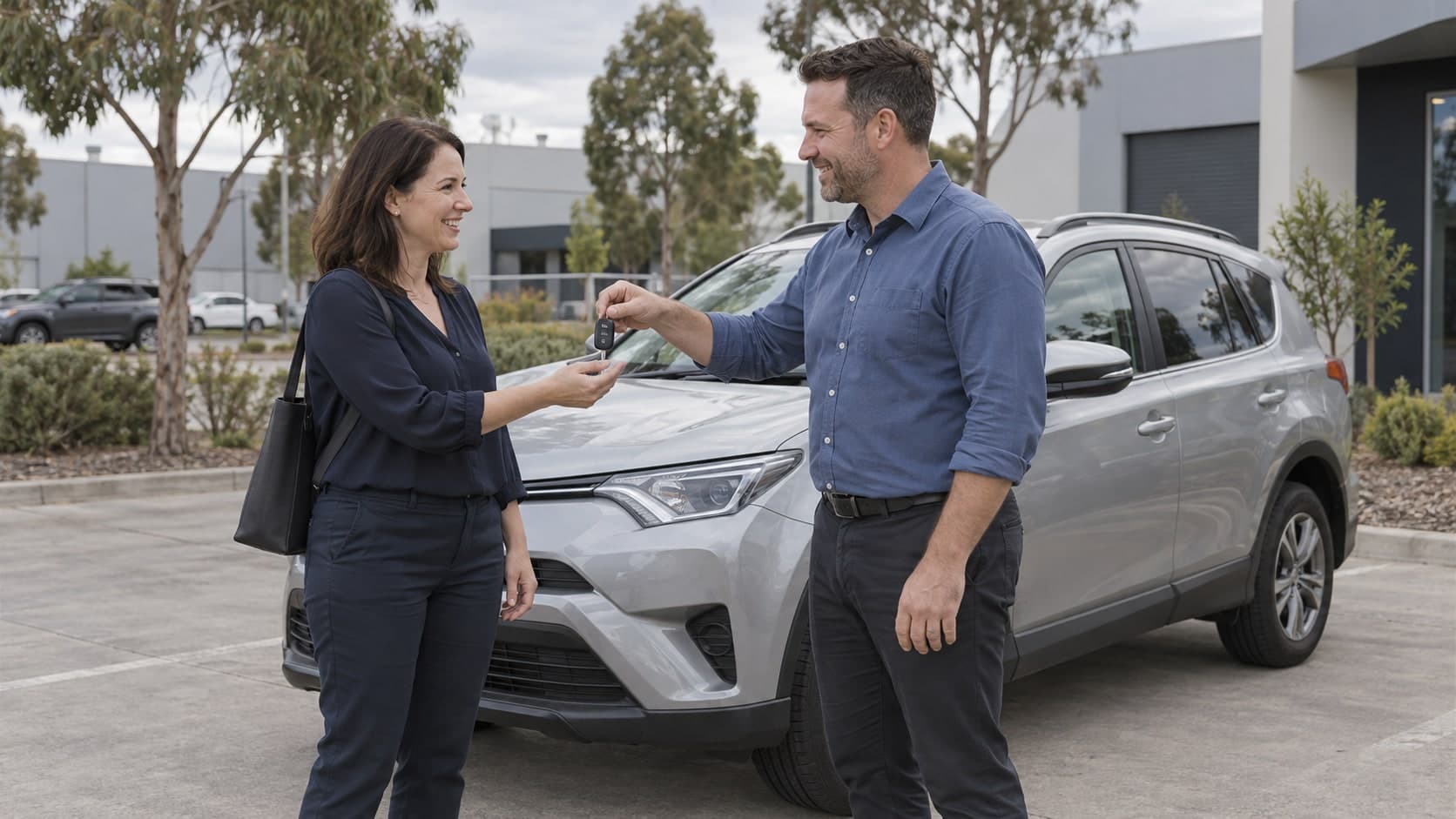
Replacement Vehicle Options When Your Car Is Being Repaired
An honest explanation of replacement vehicle options for not-at-fault drivers, including rental, credit hire, and what to consider.